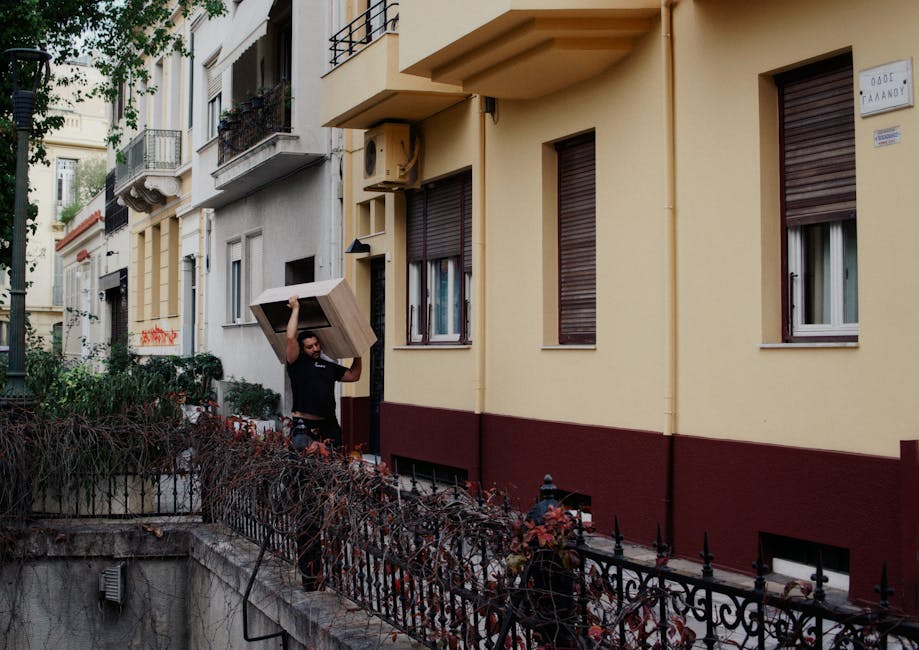
Moving bulky furniture on Sydenham Hill's steep slopes
Posted on 14/05/2026
Moving Bulky Furniture on Sydenham Hill's Steep Slopes: A Practical Local Guide
Moving a heavy sofa, wardrobe, dining table, or piano is awkward enough on level ground. Add Sydenham Hill's steep slopes, tight approaches, and the usual London moving-day pressure, and the whole job becomes a different beast. Moving bulky furniture on Sydenham Hill's steep slopes is not just about strength; it is about planning, balance, route choice, and knowing when to call in help before a small problem turns into a very expensive one.
This guide walks you through what actually matters, how the process works in practice, and the simple decisions that make a big difference. If you are trying to protect your back, your furniture, and your walls all at once, you are in the right place. To be fair, that is a lot to juggle in one afternoon.

Why Moving bulky furniture on Sydenham Hill's steep slopes Matters
Sydenham Hill's topography changes the game. On a flat street, a two-person lift, a trolley, and a van parked nearby may be enough. On a steep hill, gravity starts to do half the work in the wrong direction. Furniture picks up speed downhill, becomes harder to control on the way up, and puts more strain on everyone involved.
That matters for three reasons. First, safety: heavy objects on inclines are more likely to slip, tip, or twist awkwardly. Second, property protection: stairs, kerbs, front steps, and narrow hallways are where scuffs, chips, and smashed corners happen. Third, timing: a move that should take an hour can drag on if every piece needs careful repositioning, regripping, and rest stops.
On Sydenham Hill, the slope itself is only part of the story. Parking can be limited, access can be uneven, and some homes have awkward thresholds or split levels that add another layer of difficulty. If you are moving a bulky item from a flat, maisonette, or family house, that combination can feel surprisingly exhausting. A lot of people underestimate it right up until the first turn of the staircase.
There is also a practical cost angle. A rushed move can damage a wardrobe panel, break a sofa leg, or leave a dent in a wall that costs more to repair than the moving help would have done in the first place. That is why many local customers start by looking at furniture removals in Sydenham Hill rather than trying to muscle everything through on their own.
How Moving bulky furniture on Sydenham Hill's steep slopes Works
In practice, a successful move on a steep slope usually follows a simple pattern: assess, prepare, protect, load, and control. The order matters. The slope does not forgive improvisation, and that is the honest truth.
1. Assess the route before anything moves
Start by checking the path from room to van. Look at the width of doorways, the angle of stairs, the turning space on landings, the condition of paving, and whether the vehicle can park close enough without blocking traffic. The best route is not always the shortest one. Sometimes the safest route takes a few extra metres but saves a lot of awkward lifting.
2. Break down what can be broken down
Remove table legs, shelves, cushions, mirrors, and any loose parts. A wardrobe that seems impossible in one piece may become manageable once separated. If you have beds or mattresses, there are specific handling tactics that help keep them clean and intact; for more on that, see these bed and mattress transport tips.
3. Protect surfaces and load points
Blankets, straps, shrink wrap, corner protectors, and slip-resistant gloves all earn their keep here. On a hill, the furniture is not the only thing at risk. A single wobble can leave a mark on a banister or a scrape on a front step. If you are moving soft furnishings too, it can help to read up on protecting sofas during transport and storage.
4. Use controlled movement, not brute force
One person guiding, one person stabilising, and one person spotting obstacles is often better than two people trying to carry in silence while hoping for the best. Communication keeps the load steady. Short instructions work best: stop, lift, turn, set down. No drama. No guessing.
5. Load the van with the hill in mind
The loading order matters more than many people realise. Heavier items should be secured against the van's structure, with lighter pieces filling gaps so nothing slides. If the vehicle is parked on a slope, parking brake discipline and wheel positioning become part of the job. This is one of those times when the vehicle setup is just as important as the lift itself.
Key Benefits and Practical Advantages
There is a reason experienced movers treat steep-slope jobs differently. Done properly, the advantages are not just about convenience; they are about reducing risk and making the whole day more predictable.
- Better safety: fewer slips, fewer strained backs, and less chance of dropping a heavy item.
- Less damage: controlled handling protects furniture, bannisters, walls, and floors.
- Faster progress: a planned route and proper equipment prevent endless stops and resets.
- Lower stress: you are not trying to solve logistics while carrying a bookcase down a slope.
- Cleaner finish: professional preparation means less mess, fewer scratches, and less emergency tidying at the end.
Another quiet advantage is confidence. When you know the item will be stabilised, strapped, and moved by a sensible method, the whole day feels less chaotic. That matters more than people think. A move is rarely just physical; it is also mental. If the plan is solid, everyone relaxes a bit.
For many households, this is exactly why using a local man and van service in Sydenham Hill makes sense for bulky items, especially where access is awkward or parking is tight.
Who This Is For and When It Makes Sense
This kind of support is useful for more people than you might expect. It is not just for full house moves. In fact, many steep-slope moving jobs are smaller but trickier.
- Homeowners moving a sofa, wardrobe, bed frame, or dining set
- Renters relocating from flats with stairs or narrow access
- Older adults who need safe handling rather than heavy lifting
- Students moving larger items between addresses or storage
- Families clearing a room before renovation or decorating
- Anyone dealing with one especially awkward item, such as a piano or American-style fridge
It also makes sense when weather plays a part. Wet paving, leaf litter, or early morning frost can change the risk level quickly. A slope that felt manageable at 2 pm can feel slippery by 7 am. Slightly annoying, but true.
If your move is only a single item and access is straightforward, a smaller transport solution may be enough. But if the item is heavy, oversized, valuable, or difficult to manoeuvre, check whether man with a van in Sydenham Hill or a broader removal service in Sydenham Hill would save you time and potential injury.
Step-by-Step Guidance
Here is the practical version, stripped of fluff. If you are planning the move yourself, use this as your working order.
- Measure everything first. Measure the item, doorways, stair widths, landings, and the van space. If the sofa will not pivot through the hallway, you want to know before lift day.
- Declutter before moving day. Empty drawers, remove contents from cupboards, and get rid of anything you do not need. A lighter load is a safer load. For a broader approach, see moving simplified with decluttering and organisation.
- Pack loose parts separately. Bag screws, bolts, shelves, and fittings together, label them clearly, and keep them with the relevant item.
- Protect the furniture. Use blankets, wrap, or covers for corners, upholstery, and fragile edges.
- Clear the route. Move rugs, shoes, plant pots, and anything else that could create a stumble point. It sounds obvious. People still forget.
- Assign roles. One person leads, one stabilises, one opens doors or guides corners where necessary.
- Move slowly on slopes. Small steps reduce the chance of losing control. Do not rush at the difficult bit.
- Secure the load in the van. Use straps and anchor points so the furniture does not shift during acceleration, braking, or turns.
- Check the destination in advance. Make sure the new property is ready for delivery, with space cleared and access protected.
If you need help arranging packing materials before the move, packing and boxes in Sydenham Hill can make the preparation stage much smoother.
Expert Tips for Better Results
Experience makes a difference on steep roads. The little things, the almost boring things, often save the day.
- Use the downhill hand as the control hand. On an incline, the lower hand usually takes more of the stabilising work.
- Keep your centre of gravity close. The item should stay close to the body where possible, not stretched out in front like an awkward tray.
- Pause before corners. Landings and turns are where people tend to overcommit. Stop, reset, then turn.
- Never rely on grip alone. Gloves help, but they are not a substitute for good wrapping and proper lifting technique.
- Plan for the weather. Rain changes everything. Even a damp pavement can make a heavy load feel twice as awkward.
- Use kinetic lifting principles where appropriate. Good body mechanics, bent knees, straight back, controlled movement. It is not flashy, just effective. There is a useful explainer on kinetic lifting and why it helps.
One more thing: if something feels wrong, stop. That is not weakness; it is judgment. A slightly delayed move is better than a pulled shoulder and a cracked bedside table. Truth be told, most disasters start with someone saying, "It'll be fine."
Common Mistakes to Avoid
Most problems on steep routes come from predictable errors. The good news is that they are avoidable.
- Underestimating the slope: a mild hill to the eye can be far harder when you are carrying a heavy item.
- Leaving the furniture assembled: if it can be safely dismantled, do it.
- Poor communication: two people carrying without clear calls can move in opposite rhythms.
- Wrong vehicle choice: a van that cannot park close enough adds a lot of unnecessary carrying distance.
- Skipping route checks: bins, parked cars, and low branches can create avoidable delays.
- Forgetting protection: one uncovered corner can do damage in seconds.
- Trying to force a turn: if the item will not pivot cleanly, re-angle it rather than muscling through.
Another common one: people leave the sofa cover or bed bolts for later. Later is a bad time. Do the small admin before the heavy lifting begins. It only takes a minute, and it saves the classic "where did that screw go?" moment at 8:40 in the evening.
Tools, Resources and Recommendations
You do not need a warehouse full of gear, but the right tools help a lot. The aim is control, not brute force.
| Tool / Item | Why it helps | Best use case |
|---|---|---|
| Furniture blankets | Protects surfaces from knocks and scrapes | Sofas, tables, cabinets, headboards |
| Ratchet straps | Keeps items secure in the van | Heavy or tall furniture |
| Gloves with grip | Improves handling and comfort | Slopes, damp days, awkward edges |
| Removal trolley or dolly | Reduces carrying distance and strain | Flat surfaces and level thresholds |
| Corner protectors | Prevents chips on vulnerable furniture edges | Wardrobes, tables, shelving |
| Labels and bags for fittings | Keeps assembly parts organised | Dismantled beds, desks, storage units |
Good preparation also includes planning the broader moving day. If you are tackling a full household transition, this packing guide for moving house and these hassle-free moving hacks are both worth a look.
And if storage is part of the plan because furniture is moving out before it can move back in, the page on storage in Sydenham Hill can be a sensible next step.
Law, Compliance, Standards, or Best Practice
For most domestic moves, there is no special law about carrying furniture on a hill, but there are still important expectations around safety and care. In the UK, anyone handling heavy items professionally should work with sensible manual handling practices, appropriate equipment, and a proper risk-aware mindset.
That means a few things in plain English:
- Do not lift beyond your ability. If an item is too heavy or awkward, get help.
- Use safe lifting methods. Poor technique leads to preventable injuries.
- Protect property. Movers should take reasonable steps to avoid damage to walls, floors, and furnishings.
- Check insurance and service terms. If you are hiring help, understand what is covered and what is not.
- Keep access safe. Paths, stairs, and loading points should be clear where possible.
If you are working with a removal company, it is sensible to review their insurance and safety information and understand their health and safety policy. That is not being fussy. It is just good practice, especially on steep or awkward streets where the margin for error is smaller.
For service expectations, pricing clarity, and payment confidence, the relevant pages on pricing and quotes and payment and security can help you know what to expect before the job starts.
Options, Methods, or Comparison Table
There is more than one way to handle bulky furniture on a steep slope. The right choice depends on item size, access, time pressure, and your tolerance for risk.
| Method | Best for | Pros | Limitations |
|---|---|---|---|
| DIY with friends | Small number of manageable items | Lower upfront cost, flexible timing | Higher injury risk, less control, more stress on steep ground |
| Man and van | Single items or light-to-medium moves | Practical, cost-conscious, local convenience | May still need strong preparation and clear access |
| Full removal service | Larger homes, heavy furniture, more complex access | Better coordination, stronger equipment, less physical strain | Usually more expensive than moving a few items yourself |
| Storage first, move later | Staged moves or renovation projects | Reduces pressure on the day, useful when timing is messy | Extra handling and potentially more planning |
In many Sydenham Hill cases, a hybrid approach works best. A customer might use a local van for the heavy piece, but still pack smaller belongings themselves. That balance can save money without turning the day into a marathon.
Case Study or Real-World Example
Here is a realistic example based on the kind of work people often need in the area. A family was moving a large corner sofa, a solid oak dining table, and a double wardrobe from a house on a steep residential road near Sydenham Hill. The access path had a slight bend, the front steps were uneven, and the van could only stop a short distance away.
Instead of trying to carry everything in one go, the team measured each item, removed the wardrobe doors and table legs, wrapped all corners, and moved the sofa in a planned sequence. One person handled the doorways, one guided the lower end on the slope, and one loaded the van. It was not quick, but it was controlled. No wall damage, no crushed fingers, no mad panic at the kerb.
The biggest difference was preparation. The items were ready before the first lift. The route had been checked, the fittings were bagged and labelled, and the van was parked with the slope in mind. That is usually the winning formula, honestly. Not fancy. Just organised.
Situations like this are also why some customers pair furniture moving with other services, such as house removals in Sydenham Hill or even flat removals in Sydenham Hill, when stairs and access are part of the same problem.
Practical Checklist
Use this checklist before the moving team arrives or before you start carrying anything yourself.
- Measure furniture, doors, stair turns, and van space
- Confirm parking and loading access
- Remove loose items, shelves, cushions, and drawers
- Label bolts, screws, and fittings in sealed bags
- Wrap corners, glass, and upholstery
- Lay down floor protection where needed
- Check weather conditions and plan for slippery surfaces
- Clear hallways, steps, and paths
- Brief everyone on roles and commands
- Make sure your insurance, service terms, and safety expectations are understood
- Prepare the destination property for arrival
- Take one last look at the route before lifting
Expert summary: On Sydenham Hill's slopes, success usually comes from controlling the route, reducing the load, and slowing the pace. That combination is safer than trying to be heroic for ten minutes and exhausted for the rest of the day.
Conclusion
Moving bulky furniture on Sydenham Hill's steep slopes is a job that rewards calm planning more than raw effort. The incline, access points, and street layout can all add friction, so it pays to think ahead, protect the item properly, and choose the right kind of help for the size of the task.
If you take away one thing, let it be this: the safer the plan, the easier the day. Measure first, strip down what you can, protect everything that matters, and do not be shy about using professional support when an awkward item or a steep route makes DIY feel a bit too optimistic.
And if you are still staring at that sofa, wardrobe, or table wondering how it will all fit through the turn, that is usually your sign to pause and get advice rather than push through on guesswork. Sometimes the smart move is simply the gentler one.
Get a free quote today and see how much you can save.