Lewisham Council van permit rules for Sydenham Hill
Posted on 04/07/2026
Lewisham Council van permit rules for Sydenham Hill: a practical moving guide
If you are planning a move in Sydenham Hill, van parking can become the detail that turns a smooth day into a stressful one. The Lewisham Council van permit rules for Sydenham Hill matter because a small parking mistake can cause delays, extra walking time, or even a penalty. And let's be honest, nobody wants to be carrying boxes up a slope while wondering whether the van is legally parked.
This guide breaks the topic down in plain English. You will learn how permit-style parking permissions usually work, why they matter around local streets, what to check before moving day, and how to build a sensible plan around access, timing, and loading space. If you are also preparing the rest of the move, you may find it useful to read about how to pack properly before moving house and practical house-moving hacks for a less stressful day.
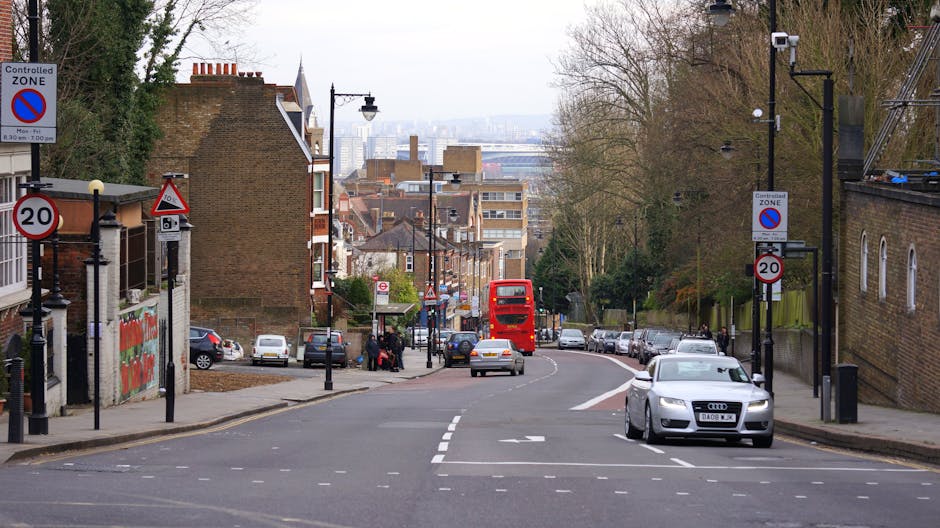
Why Lewisham Council van permit rules for Sydenham Hill Matters
Sydenham Hill sits in that awkward-but-beautiful London middle ground: residential streets, variable parking conditions, hills, narrow approaches in places, and a lot of everyday movement activity. That mix is exactly why van access planning matters. Even if your move is only a short hop, the van still needs somewhere sensible to stop, load, and unload.
The main reason these rules matter is simple: moving vehicles are not the same as a normal car popping in and out. A van used for removals may need more space, longer loading time, and a bit of coordination with the street layout. If you ignore that, you may end up with a vehicle too far from the property, which means more lifting, more back-and-forth, and more chance of damage. If you have ever tried shifting a sofa up a tight hallway after parking two streets away, you will know the feeling. Not ideal.
There is also a neighbourly side to this. Sydenham Hill residents often share streets where access has to be managed respectfully. Being clumsy with parking can block driveways, frustrate traffic, and create avoidable complaints. That is why moving teams tend to treat parking permissions and permit rules as part of the job, not an afterthought.
Key takeaway: in Sydenham Hill, a good move is rarely just about boxes and muscle. It is about access, timing, and having the right parking plan in place before the first crate leaves the front door.
How Lewisham Council van permit rules for Sydenham Hill Works
The exact process depends on the street, the vehicle, and the kind of activity happening on the day. In practice, you are usually dealing with one of three situations: a standard parking bay arrangement, a loading bay or shared kerbside space, or a controlled zone where permission is needed for a van to stop lawfully for loading and unloading.
For removals, the usual questions are:
- Can the van stop close enough to the property to load safely?
- Is there time-limited loading available?
- Do you need a specific permit or dispensation for the van?
- Are there restrictions at certain times of day?
Lewisham-style parking arrangements can feel a bit fiddly, because the reality on the ground changes from one road to the next. A van may be fine for a brief loading stop in one location but need formal permission in another. And if you are moving on a busy residential road, the difference between "probably okay" and "properly arranged" can be a huge headache.
One useful habit is to treat the process in layers:
- Identify the exact street and nearest parking restrictions.
- Work out whether the van can load legally at the property frontage.
- Decide whether the stop is short enough for loading rules or whether a permit/dispensation is needed.
- Build in a time buffer, because move days never run exactly to script.
This is especially important in tighter residential roads or where access is already awkward. If you are moving from a flat, a Victorian house, or a road with awkward bends, the parking issue becomes part of the physical move itself. That is why planning pages such as moving tips for narrow-street homes on Sydenham Hill Road and parking, access and timing on College Road SE26 are worth a look when your route is local and tight.
Key Benefits and Practical Advantages
Getting the parking side right gives you more than just peace of mind. It changes the whole rhythm of the move.
- Shorter carrying distance: fewer steps between van and door usually means less fatigue and lower damage risk.
- Cleaner timing: when the van is placed well, loading tends to run more efficiently and fewer items get left in awkward spots.
- Lower stress: nobody enjoys an argument about blocked access halfway through moving a wardrobe.
- Better protection for furniture: the nearer the van is, the less likely items are to bang into railings, kerbs, or door frames.
- Reduced chance of disruption: a careful parking plan helps avoid tickets, neighbour complaints, or rushed repositioning.
There is also a hidden benefit that people often miss: good parking coordination makes the whole crew calmer. That sounds almost too simple, but it matters. When the van is in the right place, people move with better pace and better judgement. Fewer silly mistakes. Less faff.
If you are moving larger items, the value is even clearer. For example, a piano or a deep sofa is not something you want carrying the full length of a road. In that case, pairing parking planning with specialist support such as piano removals in Sydenham Hill or furniture removals support can make a real difference.
Who This Is For and When It Makes Sense
These rules are relevant for a lot more people than first-time movers. If a van will stop outside a property in Sydenham Hill, you should think about parking and permission early.
- Home movers who need a removal van parked near the property.
- Flat movers dealing with limited access, steps, or shared entrances.
- Students moving in or out with multiple bags, boxes, and not much time.
- Office movers with equipment, files, and a fixed schedule.
- Anyone using a man and van service for a same-day job or collection.
It also makes sense for smaller jobs than people expect. A single heavy item, a last-minute collection, or an end-of-tenancy clearance can still need legal parking support. If you are only moving a few items, you may be tempted to wing it. But parking is where a quick job can become weirdly expensive, so be careful there.
For example, if you are organising a smaller move and want something flexible, options like man and van support in Sydenham Hill or a man with a van in Sydenham Hill can be practical, provided the vehicle has a sensible place to stop.
Step-by-Step Guidance
Here is the simplest way to handle the parking side of a move without overcomplicating it.
- Confirm the exact address and access point. Don't assume the front door is the best loading point. Sometimes the rear access, side path, or nearest legal stopping place is more realistic.
- Check the road type. Is it controlled parking, unrestricted, shared use, or loading-only at certain times?
- Match the van size to the street. A larger vehicle may be fine in theory but awkward in practice. A smaller removal van can be the smarter choice if the road is tight.
- Decide whether parking permission is needed. If your move needs the van to stay put for a while, permission or a permit-style arrangement may be needed.
- Book the moving slot around local traffic. Early morning can help. So can avoiding school-run style pinch points. Yes, that old chestnut again - but it matters.
- Prepare the property for fast loading. Boxes stacked and labelled, walkways clear, furniture wrapped. If you need help with that, see packing and boxes support in Sydenham Hill.
- Keep a backup plan. If a space is taken when the van arrives, know where the next legal stop is. That little plan B can save the day.
A useful little real-world trick: walk the loading route yourself with your phone in hand the day before. You will notice obstructions, steep bits, and awkward corners that are easy to miss when you are staring at a spreadsheet. It sounds basic, but basic is good here.
And if you are moving with a lot of household goods, it helps to think of the parking plan and packing plan together. For broader moving prep, the article on decluttering and organising your transition can help you reduce volume before the van even arrives.
Expert Tips for Better Results
Most parking problems on moving day are not dramatic. They are small, boring, preventable issues. Which is exactly why they catch people out.
- Aim for the shortest possible carry. It sounds obvious, but people sometimes park "close enough" when they could have planned a much safer loading point.
- Use packing discipline. If everything is ready when the van arrives, you reduce the time the vehicle needs to stay in place.
- Label boxes by room and priority. That speeds up unloading and stops the crew from wandering about looking for where the kettle went.
- Protect delicate items before you start. A well-packed load is much easier to move quickly, especially if parking time is limited.
- Think about weather. A wet morning on a slope is not the moment to discover you need another ten minutes of loading time.
If you have furniture that needs careful handling, check out moving bulky furniture on Sydenham Hill's steep slopes and safe moves for Victorian homes with stairs and narrow halls. Those are exactly the kinds of local conditions where parking and carrying distance work hand in hand.
One slightly nerdy but useful point: if you are coordinating helpers, give one person responsibility for the van space and one for the front door. Too many cooks, as they say, and everyone ends up carrying the wrong thing at the wrong time.

Common Mistakes to Avoid
Here are the mistakes that tend to cause trouble around van permits and parking on move day.
- Assuming all roads are treated the same. They are not. One street can be easy; the next can be restrictive.
- Leaving parking planning until the morning of the move. By then, you are reacting instead of controlling the day.
- Booking the wrong size vehicle. Too big and the van may not fit well; too small and you need multiple trips.
- Forgetting loading time. A quick delivery stop is not the same as a full removal job.
- Blocking access for neighbours or residents. This can create complaints and awkward delays. Not worth it.
- Ignoring steep slopes or tight turns. Sydenham Hill can make an apparently simple route feel much harder on the day.
Another common slip is overfilling the van with things that were not secured properly. That slows unloading and can force you to keep the vehicle parked longer than expected. If you want more on safe lifting and efficient loading, the pieces on kinetic lifting and heavy lifting by yourself are useful supporting reads.
Truth be told, most moving-day trouble comes from a chain of small assumptions. One wrong assumption about parking, then a delay, then rushed lifting, then a slightly scratched table. It snowballs. Fast.
Tools, Resources and Recommendations
You do not need a warehouse of equipment to get this right, but a few practical tools make the job easier.
- Measuring tape: useful for checking furniture widths, stair gaps, and van loading space.
- Phone notes and photos: take pictures of parking signs, loading access, and any tricky kerbs or steps.
- Labels and marker pens: save time when unloading and reduce the chance of missing items.
- Protective blankets and straps: helps secure furniture and cut down movement inside the van.
- Boxes designed for moving: basic, yes, but cheap boxes that collapse under pressure create more issues than they solve.
For some moves, storage can also help reduce pressure on the day. If your dates do not line up neatly or you need a buffer, storage in Sydenham Hill can be useful. And if you are deciding what to keep, what to store, and what to let go, this decluttering guide is a good companion piece.
When a move includes fragile or awkward items, it helps to prepare them before the van even turns up. For instance, a freezer that is not going immediately into use may need special attention, and a sofa stored badly can pick up damage surprisingly quickly. Those details are not glamorous. Still, they save money and stress. Worth it.
Law, Compliance, Standards, or Best Practice
Parking and loading rules in London are not just "guidelines" in the casual sense. They sit within local traffic management arrangements, time restrictions, and the wider expectation that road space should be used safely and lawfully. For movers, that means you should not guess. Where a street is controlled, a van may need proper permission to stop for loading or unloading. Where an exemption or loading allowance exists, it usually still comes with limits on duration and vehicle behaviour.
Best practice is to confirm the local situation in advance and avoid relying on assumptions from one part of Lewisham or one previous move. Even if a friend says, "we parked there last time and it was fine," that does not make it automatically fine today. Different markings, different times, different controls. The street has the final say.
For businesses and professional movers, there is also a duty to operate safely and respectfully. That means keeping access routes clear where possible, handling equipment properly, and not forcing a vehicle into a position that risks damage or obstruction. If your move involves heavier items or more complex handling, you may also want to align with sensible internal policies such as health and safety practices and insurance and safety awareness.
If you are hiring help, it is smart to choose a provider that works in an orderly, transparent way. You may also find it helpful to review the services overview and terms and conditions so you know what is and is not included before move day arrives.
Options, Methods, or Comparison Table
There are a few practical ways to handle loading access in Sydenham Hill. The right choice depends on the property, vehicle size, and how much time you have.
| Approach | Best for | Pros | Things to watch |
|---|---|---|---|
| Standard kerbside loading | Short jobs and low-traffic streets | Simple, fast, often enough for light moves | May not be enough time or space for larger removals |
| Permit or dispensation-style arrangement | Longer loading windows and controlled parking areas | More predictable, better for full removals | Needs planning and correct setup |
| Smaller van with closer access | Tight streets or awkward turns | Easier manoeuvring, less road disruption | May require more than one trip if the load is large |
| Off-peak moving slot | Busy roads or time-sensitive jobs | Less traffic pressure, smoother access | Not always possible with building restrictions or work hours |
In practice, the best result usually comes from combining methods rather than relying on one trick. For example, a smaller van parked well, with pre-packed boxes and a tight time window, can outperform a larger vehicle that has to sit awkwardly far away. It is not always about brute force. Sometimes it is about being mildly annoying to the street in the smallest possible way. Joking aside, subtle wins here.
Case Study or Real-World Example
Picture a typical Sydenham Hill move: a couple leaving a first-floor flat, one sofa, a bed, several boxes, and a few awkward plants that somehow become the most delicate things in the universe on moving day. The street is reasonably quiet, but parking close to the property is limited, and there is a bit of a slope.
Instead of arriving and hoping for the best, the move is planned in advance. The team checks the access point, chooses a van that suits the street, and sets a loading order so the heaviest items go in first. The couple clears the hallway the night before and labels the boxes by room. Because the van can stop close enough, the crew avoids long carries and keeps the move steady.
The result? Less strain, fewer pauses, and no wasted time circling for a parking space. The day still feels busy - moving always does - but the messy edge is gone. And that makes a bigger difference than people expect.
For a move like that, combining parking awareness with service support such as flat removals in Sydenham Hill or house removals in Sydenham Hill helps everything stay coordinated from the start.
Practical Checklist
Use this checklist the day before your move. It keeps the permit and parking side under control.
- Confirm the full moving address and exact loading point.
- Check whether the street has parking controls or loading restrictions.
- Decide if the van needs permit-style permission or a loading allowance.
- Choose the right vehicle size for the street and the volume of items.
- Prepare boxes, labels, wrapping, and fragile-item protection.
- Clear hallways, landings, and any clutter near the front door.
- Plan the loading order so heavy items go in first.
- Set a backup parking spot in case the first one is occupied.
- Build in time for traffic, lifts, stairs, or difficult access.
- Keep keys, paperwork, and contact details ready in one place.
If you are still in the planning stage, a bit of preparation goes a long way. You can also look at pre-move house cleaning ideas and storage techniques for sofas if your furniture needs special care before the van arrives.
Get a free quote today and see how much you can save.
Conclusion
Lewisham Council van permit rules for Sydenham Hill are really about one thing: making sure the move can happen without avoidable friction. When parking, access, loading time, and street restrictions are all considered together, the whole day becomes more manageable. You do not need to overthink every detail, but you do need a plan.
That plan should cover the street, the vehicle, the timing, and the people doing the lifting. Get those four things lined up and the rest feels easier. Not effortless - moving never quite is - but easier. And when the van pulls up in the right place, with the right paperwork and the right timing, you can feel the difference immediately. It is one of those quiet wins that makes the rest of the day breathe a little easier.
For more support with local moving logistics, you can also explore removal services in Sydenham Hill, same-day removals, or removals in Sydenham Hill if you need a more complete moving solution.